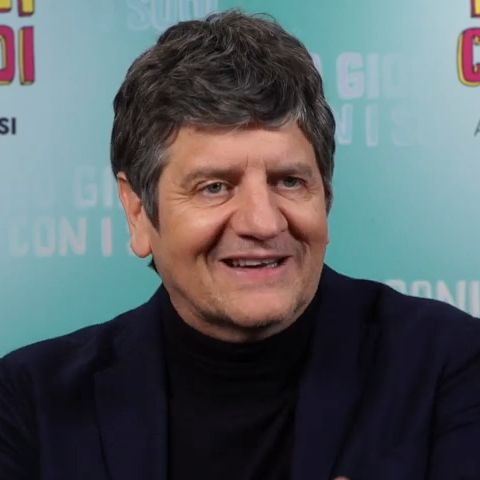
Fabio De Luigi's Postacci Struggle: The Dark Side of Early Career
Fabio De Luigi, a name synonymous with charming wit and heartwarming performances in Italian cinema and television, is beloved by audiences across the nation. Yet, beneath the veneer of his effortless comedic timing lies a rarely-told story of profound struggle, self-doubt, and the sheer grit required to make it in the cutthroat world of entertainment. His journey, recently unveiled during an intimate conversation on Gianluca Gazzoli’s popular BSMT podcast, shines a harsh light on what he candidly refers to as his "postacci" years – a decade of humiliating gigs and challenging venues that brought him to the brink of giving up.
This revelation offers a crucial, often overlooked perspective on artistic success: that the path to widespread acclaim is frequently paved with unseen setbacks and moments of deep personal sacrifice. For anyone aspiring to a creative career, or simply curious about the untold realities behind the glamour, De Luigi's honest account of his early career and the "fabio de luigi postacci" struggle is both sobering and incredibly inspiring.
The "Postacci" Years: Diving Deep into Humiliation
Before becoming the household name we know today, Fabio De Luigi endured what he describes as "10 anni di postacci e teatrini" – ten years of bad places, unsuitable venues, and small, often unappreciative theatrical settings. These weren't just low-paying gigs; they were, in his words, "umiliante" (humiliating). Imagine a young comedian, pouring his heart into a performance, only to be met with apathy, a sparse crowd, or even outright disinterest. The emotional toll of such experiences can be devastating, eroding self-confidence and making one question every career choice.
De Luigi’s account paints a vivid picture of the harsh realities faced by countless emerging artists. These "postacci" weren't just physically demanding due to inadequate facilities; they were psychologically draining. The constant struggle to connect with an audience, to land a joke in a room that simply wasn't vibing, can feel like a direct assault on one's talent and self-worth. For a comedian, whose art relies so heavily on immediate audience feedback, a silent or hostile crowd is akin to a sculptor's clay turning to dust in their hands.
He confessed on the BSMT podcast that these repeated failures and the indignity of the working conditions led him to seriously consider quitting "a couple of times." It’s a powerful admission, underscoring that even those destined for greatness grapple with profound doubts. This period of intense struggle, though painful, served as an crucible, forging his resilience and sharpening his understanding of what truly connects with people. It taught him the invaluable lesson that while you can't always control the venue or the audience, you can control your commitment to your craft and your ability to adapt. For more insights into these challenging times, you can read about Fabio De Luigi: Why He Almost Quit After Humiliating Gigs.
From Zelig to Gialappa's: A Turning Point (and New Fears)
De Luigi's journey wasn't a linear ascent from the "postacci." There were glimmers of hope and significant milestones. He began his artistic career at a young age, starting at Zelig at just 23, a renowned comedy club in Milan, thanks to Gino and Michele. This early success provided a taste of what was possible, giving him the confidence to develop a 40-minute set. However, the true turning point, as highlighted by Gianluca Gazzoli, was his entry into the cast of the iconic Italian satirical show, "Mai dire Gol," produced by the Gialappa's Band.
Interestingly, De Luigi revealed that his recruitment by Gialappa's was partly strategic: they wanted him on their show to prevent him from joining another competing television program. This speaks volumes about his inherent talent and the buzz he was already generating, even during his challenging years. "Mai dire Gol" provided him with a national platform, allowing him to showcase his unique comedic style and create memorable characters that resonated with millions. It was a period of immense professional growth and recognition, a direct contrast to the anonymity and struggle of his previous decade.
Yet, even with success, new fears emerged. After six or seven years with Gialappa's Band, De Luigi felt the need to pivot. He feared being "devoured by his characters" and becoming typecast, forever trapped in the comedic personas he had created. This highlights a different, often overlooked struggle of successful artists: the desire for reinvention and the fear of stagnation. He yearned to "become just Fabio De Luigi," to explore his full range as an actor beyond sketch comedy. This aspiration led him naturally towards cinema, a move that would redefine his career and prove his versatility.
Resilience and Reinvention: Lessons from De Luigi's Journey
Fabio De Luigi's narrative is a masterclass in resilience and the power of reinvention. What sustained him through the decade of "postacci" was not just sheer stubbornness, but a series of unexpected moments that reignited his passion. As he shared, "Per fortuna sono successe sempre delle cose dopo che mi hanno fatto ripartire" (Fortunately, things always happened afterwards that made me start again). These weren't necessarily grand successes, but perhaps small victories – an unexpectedly responsive audience, a kind word, or a new opportunity – that served as crucial morale boosters.
His transition from television to cinema wasn't just a career move; it was an artistic evolution. By venturing into film, he not only escaped the potential trap of typecasting but also discovered new facets of his talent, including directing, as seen in his recent romantic comedy, "Un bel giorno." This journey underscores several vital lessons for anyone navigating a challenging career path, particularly in creative fields:
- Embrace the "Postacci": While difficult, early struggles build character, resilience, and a deeper understanding of your craft. They teach you what works and what doesn't, refining your artistic voice.
- Seek Out Micro-Victories: In the face of overwhelming setbacks, celebrate small successes. These can provide the necessary fuel to keep going.
- Don't Be Afraid to Pivot: De Luigi's fear of being consumed by his characters led him to proactively seek new challenges. Recognizing when it's time to evolve, even when successful, is key to long-term artistic growth.
- Trust Your Instincts: His desire to "become just Fabio De Luigi" was a powerful internal compass guiding him toward more fulfilling work.
- Resilience is Non-Negotiable: The ability to bounce back from failure is perhaps the single most important trait for enduring success in any challenging field. His Fabio De Luigi's Darkest Days: 10 Years of Humiliating Gigs demonstrate this powerfully.
His story serves as a potent reminder that success is rarely an overnight phenomenon. It's often the culmination of years of unseen effort, enduring humiliation, and the courage to continuously reinvent oneself. The "fabio de luigi postacci" phase wasn't a detour; it was an integral, foundational part of his remarkable journey.
Conclusion
Fabio De Luigi's candid reflections on his "postacci" years offer a raw and honest glimpse into the often-unseen struggles behind celebrated careers. His story is a testament to the profound resilience required to navigate the unpredictable currents of the entertainment industry. From the humiliation of unsuitable venues to the fear of being typecast, De Luigi's journey is a powerful narrative of perseverance, self-belief, and the courage to continually redefine one's artistic path. It reminds us that true success isn't just about reaching the top, but about the lessons learned, the character forged, and the unwavering dedication displayed during the darkest, most challenging days.